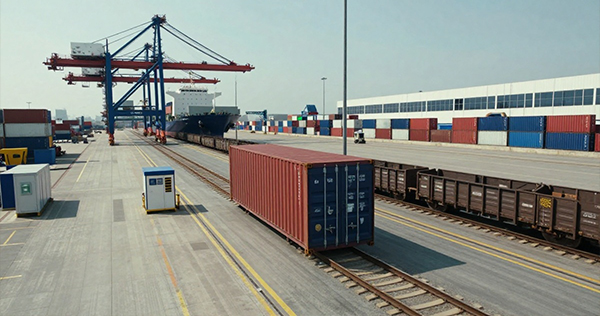
Customs law in India is governed by the Customs Act, 1962, and the Customs Tariff Act, 1975, supported by rules, notifications, and administrative directives. This framework regulates the import and export of goods, determines duty liabilities, and authorises authorities to inspect, detain, and, if necessary, confiscate goods.
The application of this framework is immediate, typically at points of entry, where goods are assessed, classified, and questioned as required.
The distinction between permissible goods, restricted goods requiring declaration, and prohibited goods is fundamental. Issues commonly arise when goods are detained without explanation, duties appear inconsistent with expectations, or notices are issued without clarity on subsequent steps.
Parchai engages with these situations by analysing the material as it exists. It considers the nature of the goods, the declaration made, and the actions taken by authorities collectively. It assesses whether the classification aligns with the tariff, whether the demanded duty is justified, and whether the exercise of powers, such as detention or seizure, conforms to the statutory provisions. When a notice is issued, it is reviewed meticulously to identify the allegations and determine the necessary response, if any. If the matter pertains to assessment, it is clarified at that stage. The aim is to ensure every step is rooted in the law governing the process rather than in immediate circumstances.